Podcasting stopped being an audio-only medium years ago. The shows that grow fastest today are watched as much as they are heard — full episodes on YouTube, clips on LinkedIn, Reels, TikTok, and Shorts. That shift has made video podcast production one of the most requested services for businesses building an audience. The good news: a professional-looking show is achievable on a sensible budget. The catch: video raises the bar. Audio listeners forgive a lot; viewers do not. This article walks through what a professional podcast actually requires, from the recording setup to the publishing workflow.
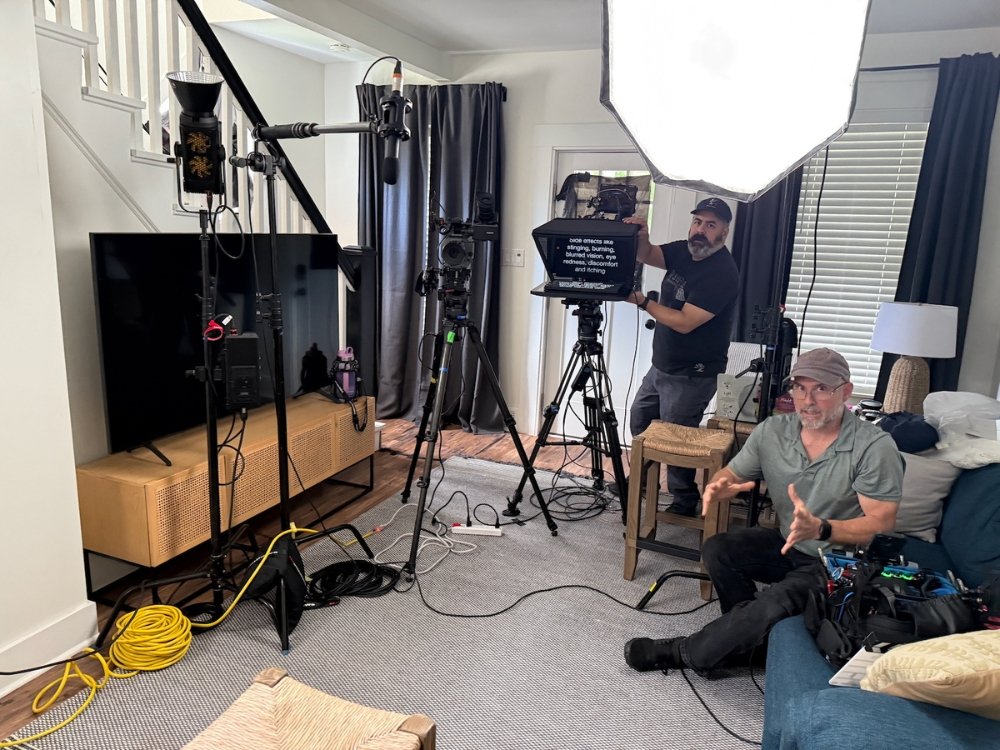
A podcast is one output among several. Treated as multimedia production, a single recording day also yields short clips, an audio feed, transcripts and promotional graphics.
Why Businesses Are Investing in Video Podcasts
A podcast is the most efficient content engine most companies will ever run. One hour of recorded conversation becomes a full episode, an audio feed, a blog post, an email, and ten to twenty short clips for social. It positions your people as authorities, gives sales teams substantive content to share, and builds the kind of trust that display ads cannot buy. Video multiplies all of it: faces build connection faster than voices, YouTube functions as the world’s second-largest search engine, and short vertical clips are the highest-reach format on nearly every platform.
The Podcast Video Recording Setup That Actually Matters
Gear lists overwhelm people, so here is the honest hierarchy for any podcast video recording setup. Audio comes first — viewers tolerate an average image but abandon bad sound in seconds. Each speaker needs their own quality microphone, positioned close, recorded to separate tracks. Lighting comes second: soft, flattering key light on each face does more for perceived quality than any camera upgrade. Cameras come third: two or three matched cameras — a wide shot plus a close-up per host — turn a static conversation into something watchable. Last is the room itself, which is really an audio and art-direction decision: soft surfaces to tame echo, and a background with depth that says something about your brand.
The most common mistake we see is inverted priorities — a beautiful camera pointed at a poorly lit person in an echoing room, wearing no microphone.
Studio, Office, or On Location?
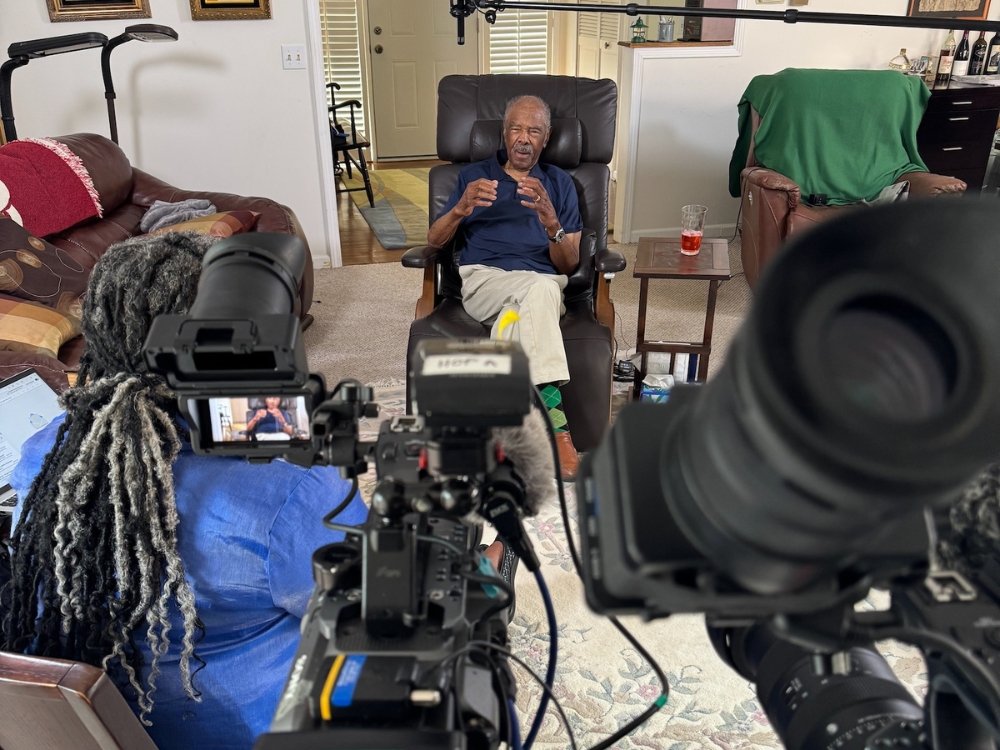
There are three workable models. A dedicated studio gives you consistency and speed: everything stays rigged, so recording day is just recording. A converted office or conference room works well once it is treated for sound and lit properly — and it keeps the brand’s real environment on screen. On-location recording, where a crew brings the studio to a guest, produces the most premium feel and is often the only way to land senior guests. Many of the shows we support use a hybrid: a home base setup for regular episodes, with a mobile crew for flagship interviews.

Multi-Camera Coverage Without the Mess
Professional shows are edited between angles: the wide establishes the room, close-ups carry the conversation, and cuts follow the speaker naturally. That requires synchronized cameras, matched color, and either a live-switched recording or a post-production edit. Live switching keeps turnaround fast and costs down; a full edit gives maximum polish and painless removal of tangents. The right answer depends on your publishing cadence — weekly shows usually need the speed of switching, while monthly flagship episodes justify the full edit.
The Workflow After the Record Button
Recording is half the job. A sustainable show needs a repeatable pipeline: audio cleanup and leveling, color-matched multi-cam editing, graphics — titles, lower thirds, episode art — captioning, and then versioning. From each episode, plan on a full-length YouTube master, an audio-only feed version, and a batch of vertical clips built around the strongest moments. Captions are not optional; the majority of social video is watched with sound off. This packaging stage is where most self-produced shows quietly die, because it consumes more hours than the recording itself. It is also the stage where a production partner adds the most leverage.
What Video Podcast Production Costs
Costs scale with ambition. A self-operated single-camera setup can be assembled for a few thousand dollars in equipment. A professionally produced multi-camera episode — crew, direction, edit, and clip package — typically runs from the low four figures per episode, with discounts for batching multiple episodes in one session, which is how most of our clients work. Batching two or three episodes per production day is the single best cost lever in podcasting. Our pricing guide gives broader context for production day rates.
Mistakes That Sink New Shows
Four patterns account for most failed podcasts. Launching without a format — undefined length, structure, or audience — so every episode is a reinvention. Over-investing in gear and under-investing in the edit. Publishing inconsistently, which kills algorithmic momentum on every platform. And treating clips as an afterthought, when for most business shows the clips reach ten times more people than full episodes. A production plan solves all four before the first recording.
Choosing Length, Format, and Cadence
Format decisions beat gear decisions. Interview shows are the easiest to sustain because guests supply the material; panel formats add energy but multiply scheduling pain; solo commentary is the hardest to do well on camera. Length should follow the conversation’s natural value — most business shows land between twenty and forty-five minutes, long enough for substance, short enough to edit and watch. Cadence is the discipline that matters most: a fortnightly show published reliably outperforms a weekly show that skips months. Pick the cadence you can defend on your busiest quarter, then batch recordings to stay ahead of it.
Make the Guest Experience Effortless
For business podcasts, guests are also prospects, partners, and referral sources — the recording experience is part of your brand. Professional video podcast production makes guests look and sound better than they expected: proper lighting, a flattering frame, an edit that removes their stumbles. Send prep notes and questions ahead, keep the session to a tight hour, and deliver a clip package they will want to share with their own audience. A guest who looks great on your show becomes a distributor of your content — and the next three guests say yes faster because they saw the quality.
Measuring Whether the Show Is Working
Podcast metrics reward patience, so measure the right things. Early on, watch time and audience retention matter more than raw views — a hundred viewers who stay twenty minutes beat a thousand who leave in thirty seconds. Track which clips drive profile visits and which episodes prospects mention on sales calls; for business shows, one closed deal traceable to an episode usually funds the entire season. Review topic performance quarterly and let the data pick your next ten episodes. Growth compounds slowly for two or three months, then referral and search traffic begin stacking — which is exactly why consistency, not virality, is the strategy.
Where to Start
Start with strategy, not shopping: who is the show for, what does a great episode look like, and how often can you realistically publish? Then build the smallest setup that meets that plan — or skip the learning curve and bring in a team that records, edits, and packages the show while your people just show up and talk. Mongoose Films has 18+ years of production experience in Michigan, with work featured on HGTV, Discovery, and ESPN, and we build podcast systems designed to survive busy calendars. See our portfolio for examples, or contact us to plan your show.