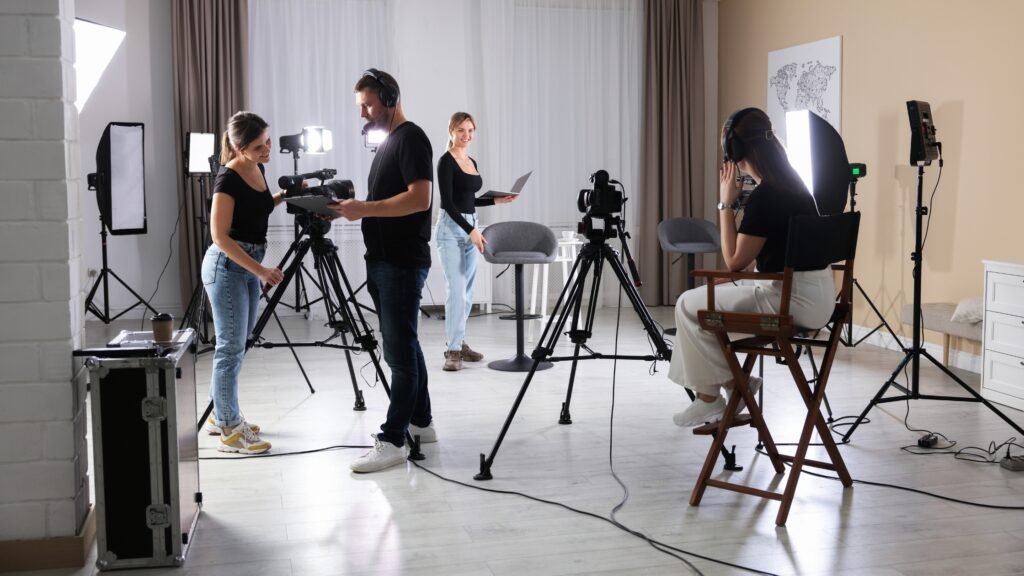
Modern audiences consume content across websites, social media, television, presentations, events, and digital platforms. Therefore, businesses need more than a single video or static image to communicate effectively. Multimedia production combines different content formats to create a consistent and engaging experience.
From corporate videos and commercials to interviews, event coverage, animation, graphics, and social media content, businesses can use multimedia to tell stronger stories. However, successful projects require planning, creative direction, technical expertise, and careful execution. Moreover, well-produced multimedia content helps brands capture attention, explain ideas clearly, build trust, and maintain consistent communication across various audience touchpoints.
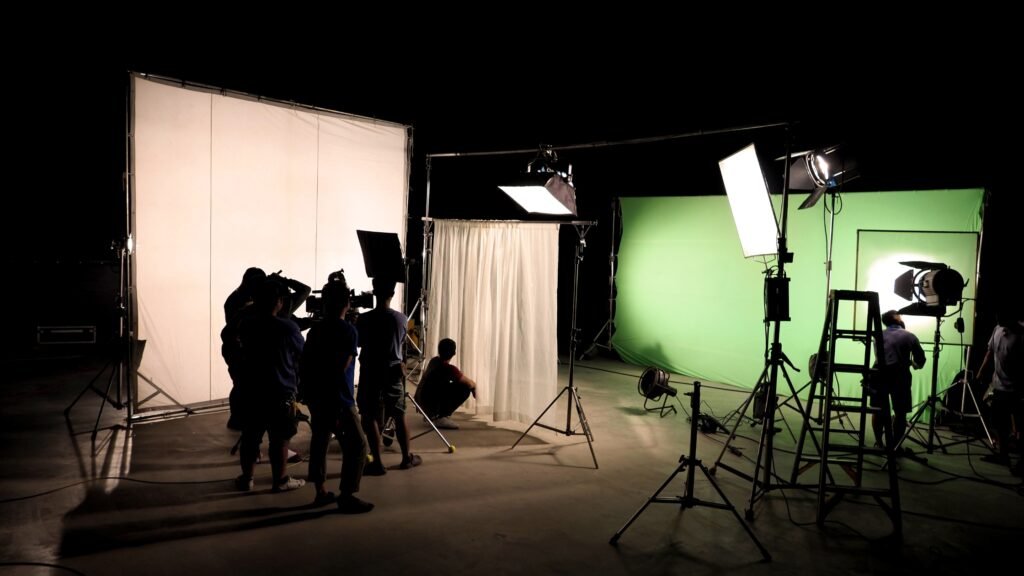
What Is Multimedia Production?
Multimedia production involves creating and combining multiple media formats to communicate a message. These formats can include video, photography, audio, motion graphics, animation, text, interviews, and other visual elements.
Instead of treating every asset as a separate project, teams can develop content around one central creative idea. As a result, businesses can create materials that work across several channels while maintaining a consistent brand identity.
For example, one corporate production can generate a primary brand video, shorter social media clips, interview segments, photographs, and promotional content. Consequently, businesses can gain more value from a single production investment.
6 Multimedia Production Examples
Businesses can apply multimedia production in many ways. Here are several practical multimedia production examples that demonstrate how different formats can work together.
1. Corporate Brand Videos
Corporate brand videos introduce a company, showcase its people, and communicate its story. They can combine interviews, footage, music, graphics, and branded visuals. Moreover, companies can adapt the content for websites, presentations, and social media.
2. Commercial Advertising Campaigns
Commercial campaigns combine video, sound, graphics, product footage, and storytelling to promote products or services. Teams can create versions for television, websites, advertising, and social media. This approach keeps the brand message consistent across platforms.
3. Event and Conference Content
Events offer valuable multimedia opportunities. Teams can capture presentations, interviews, performances, and behind-the-scenes moments, then transform them into highlight videos, social clips, and promotional content.
4. Training and Educational Content
Training videos combine presentations, demonstrations, graphics, animations, captions, and narration. These elements simplify complex topics while helping organizations create accessible, engaging, and reusable learning modules.
5. Social Media Video Content
Social media needs engaging content. Businesses can repurpose interviews, demonstrations, testimonials, and behind-the-scenes footage into short clips, graphics, and vertical videos for different platforms.
6. Broadcast and Television Production
Social media needs engaging content. Businesses can repurpose interviews, demonstrations, testimonials, and behind-the-scenes footage into short clips, graphics, and vertical videos for different platforms.
Multimedia production helps businesses create engaging content across platforms. With strategic planning and professional execution, Mongoose Films helps brands transform ideas into impactful visual stories.

Understanding the Multimedia Production Process
A clear multimedia production process helps teams control quality, timelines, budgets, and creative direction. Although individual projects vary, most professional productions follow several important stages.
- Discovery and Strategy: Teams identify objectives, audiences, messages, distribution channels, and expected results before production begins.
- Concept Development: Creative teams develop concepts using scripts, storyboards, mood boards, shot lists, and references.
- Pre-Production: Teams organize locations, schedules, talent, equipment, crew, and production requirements for filming.
- Production: Crews capture video, interviews, audio, photography, and other assets using professional techniques.
- Post-Production: Editors refine footage, adding music, graphics, animation, captions, transitions, and visual effects.
Multimedia production helps businesses create engaging content across multiple platforms. With strategic planning and professional execution, Mongoose Films helps brands turn creative ideas into impactful visual stories.
Why Do Businesses Need Multimedia Production?
Businesses can use multimedia to communicate complex ideas clearly and create stronger audience connections. Furthermore, professional production can strengthen brand credibility through consistent visuals and sound.
- Create memorable content that strengthens overall brand recognition.
- Use compelling visuals and stories to capture audience attention.
- Repurpose one production across multiple marketing channels.
- Present professional visuals that build trust with audiences.
- Combine visuals, audio, and storytelling for clearer communication.
Therefore, multimedia production helps businesses communicate effectively, engage audiences, strengthen credibility, and maximize content across multiple marketing channels.
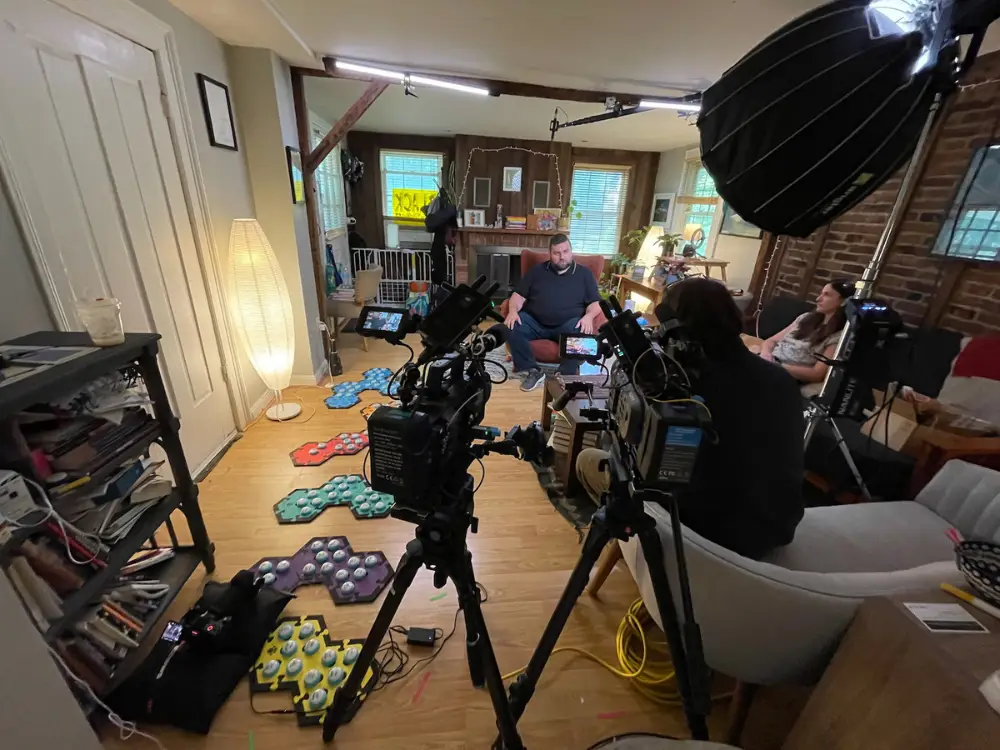
How to Choose the Right Production Company
Businesses should evaluate several factors before selecting a production partner. First, review the company’s portfolio to understand its creative range and production quality. Next, examine its experience with projects similar to your goals.
Also, consider the team’s production capabilities, communication style, workflow, and ability to manage projects from concept through delivery. A strong partner should understand your objectives rather than simply record footage. For a closer look at what separates strong regional options, see our guide to production companies in Detroit.
Mongoose Films, for example, presents itself as a full-service production company with Detroit roots and nationwide capabilities. Its portfolio includes broadcast television, corporate videos, commercials, nonprofit productions, sports and event content, and other professional projects. The company also highlights experience with major brands and networks, including HGTV, Discovery, ESPN, Toyota, and Paramount+.
Conclusion
Understanding multimedia production examples helps businesses see how video, audio, graphics, photography, animation, and storytelling can work together. More importantly, a structured multimedia production process allows teams to turn creative ideas into useful content for multiple platforms.
From corporate storytelling and advertising to events, training, social media, and broadcast projects, multimedia production can give brands more opportunities to connect with their audiences. With strategic planning and professional execution, one production can deliver valuable content across several channels.
For businesses seeking experienced visual storytelling and professional production support, Mongoose Films offers a full-service approach backed by extensive production experience and a nationwide creative team.
FAQs
1. What are multimedia production examples?
Multimedia production examples include corporate videos, commercials, event coverage, training content, social media videos, broadcast programs, interviews, animations, and branded visual campaigns.
2. What does the multimedia production process involve?
The multimedia production process generally includes discovery, concept development, pre-production, filming or content creation, post-production, quality review, and final delivery.
3. How can multimedia production help a business?
Multimedia production can help businesses communicate clearly, strengthen brand identity, engage audiences, and create multiple content assets for websites, social media, advertising, events, and other channels.
4. Why should businesses hire a professional production company?
A professional production company provides experienced creative teams, production equipment, technical expertise, editing capabilities, and structured project management that can improve content quality and consistency.