Few tools have changed video production as quickly as the camera drone. A decade ago, an aerial shot meant renting a helicopter; today, drone videography in Michigan puts sweeping cinematic footage within reach of almost any business. But drones are not magic dust to sprinkle on a project. Used well, they add scale, context, and production value that ground cameras cannot match. Used badly, they add cost and empty spectacle. This article explains what drone footage genuinely adds, when aerial video production makes sense for a Michigan business, and how to plan for it properly.
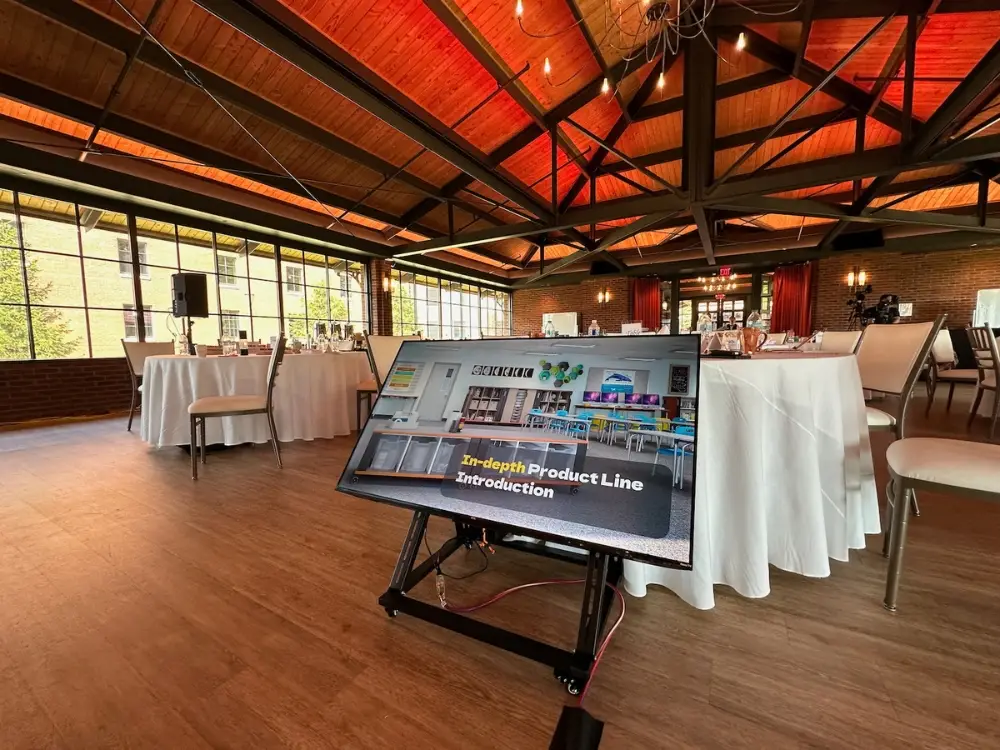
Aerial footage rarely ships on its own. It usually feeds a wider multimedia content production effort spanning brand film, social edits and website content.
Aerial work usually runs alongside a ground team. You can hire a professional camera crew for the same shoot days.
What Drone Footage Actually Adds to a Video
The value of an aerial shot is context. A ground-level camera shows a building; a drone shows the building in its neighborhood, its campus, its skyline. For a manufacturer, one orbit above the facility communicates scale faster than a paragraph of narration. For a real estate developer, a slow aerial reveal turns a property into a story. For an event, a rising shot over a full venue captures energy no tripod can.
Aerials also solve practical problems. They replace expensive jib and crane setups for high-angle shots, and they give editors breathing-room footage — transitions, establishing shots, and b-roll that make an edit feel expensive. In our experience producing video projects across Detroit and the rest of the state, a single well-planned drone session often supplies usable footage for a brand film, a website header loop, and months of social content.
Where Michigan Businesses Use Aerial Video Most
Demand for aerial video production in Detroit and across Michigan clusters around a few use cases. Manufacturers and logistics companies use flyovers to show facilities, yards, and production scale. Construction firms document progress month by month from identical flight paths, creating time-lapse sequences clients love. Golf courses, marinas, resorts, and downtown districts use aerials for tourism marketing, because water, fairways, and skylines simply look better from above. Real estate and commercial property teams use drones for listings and leasing videos. And event producers use them for festival, race, and campus coverage where the size of the crowd is the message.
The Rules: Licensing, Airspace, and Insurance
Commercial drone work is regulated, and this is where hiring a professional matters. Any drone flown for business purposes in the United States requires a pilot holding an FAA Part 107 Remote Pilot certificate. Much of metro Detroit sits inside controlled airspace around DTW, Willow Run, and smaller airports, which means flights frequently need airspace authorization before takeoff. Flying over people, over moving vehicles, or at night carries additional restrictions.
A legitimate production partner handles all of this — certification, airspace clearance, flight logs, and liability insurance that specifically covers drone operations. If a videographer cannot show you a Part 107 certificate and proof of insurance, the low quote is not a bargain; it is a liability sitting on your project.
What Separates Professional Aerial Footage from Hobby Footage
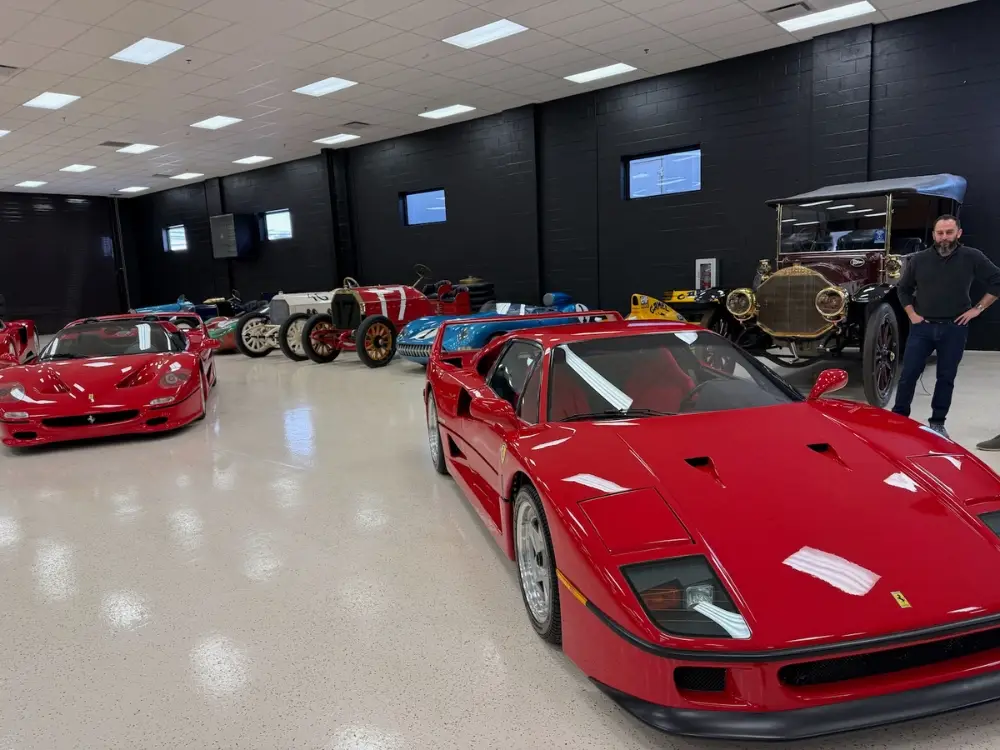
Almost anyone can buy a capable drone. The difference shows up in three places. First, flight craft: professional pilots fly smooth, repeatable moves — orbits, reveals, push-ins — at consistent speeds that cut cleanly into an edit, instead of drifting and correcting. Second, camera craft: exposure, color profile, and shutter settings must match the ground cameras, or the aerials will look pasted in from another project. Third, story craft: a professional plans each aerial with a purpose in the edit, rather than collecting random flyovers and hoping something fits.
That last point is the quiet killer of DIY drone projects. Footage that impresses on a phone screen often has no place in the finished video, because it was never planned against a script or shot list.
Weather, Seasons, and Planning a Michigan Flight Window
Michigan weather is a real production variable. Drones do not fly in rain, and most cannot fly safely in winds above roughly 20 miles per hour — common near the lakes. Cold matters too: battery performance drops sharply below freezing, cutting flight times. The practical answer is planning. We schedule aerial days with a weather window and a backup date, shoot early morning or golden hour when wind is calmest and light is best, and stack ground coverage on the same day so a weather delay never wastes a crew call.
Seasons are also an opportunity. The same facility reads completely differently against summer green, October color, and fresh snow — and a brand film that uses two seasons of aerials feels bigger than its budget.
How Drone Work Fits into a Full Production
Aerials work best as one ingredient in a planned production, not as the whole meal. A typical corporate project might use six to ten aerial shots total: an opening establisher, a mid-film transition or two, and a closing pull-away. The rest is ground coverage — interviews, detail shots, people at work. That is why hiring a full video crew that includes drone capability usually beats hiring a standalone drone operator: one team, one visual style, one plan, and footage that matches.
What Drone Videography Costs in Michigan
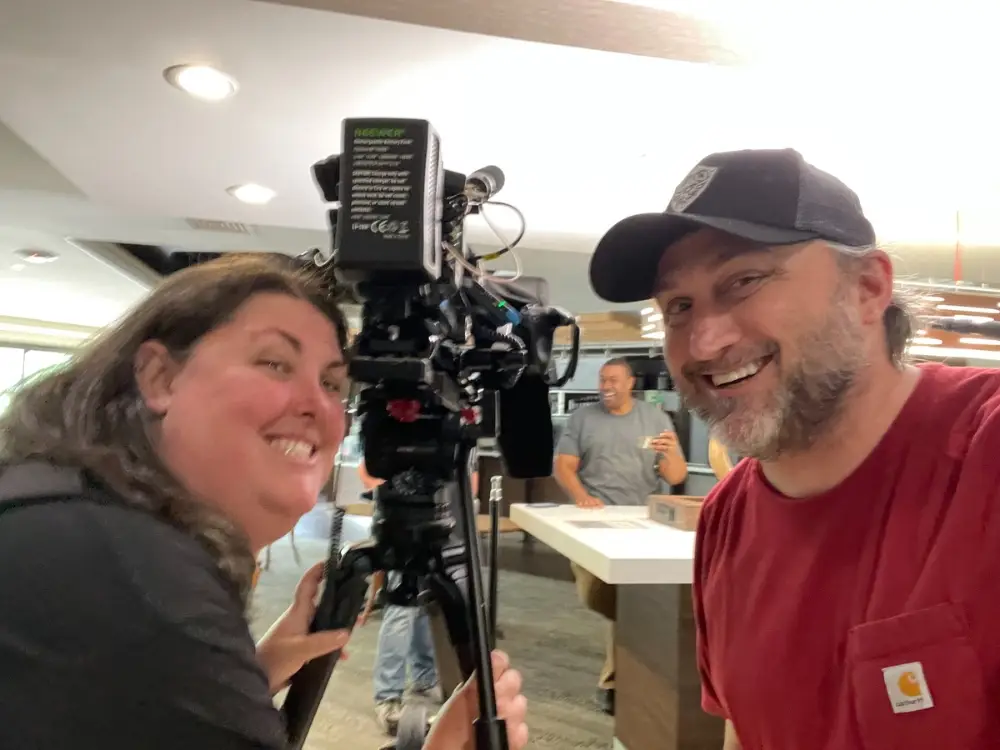
As a rough planning figure, adding a licensed drone operator to an existing production day typically runs a few hundred to around a thousand dollars, depending on aircraft class and airspace complexity. A standalone aerial session — pilot, visual observer where required, authorization, and edited deliverables — commonly lands in the low four figures. Specialty work such as FPV fly-through shots, which thread through buildings and interiors in one continuous move, prices higher because it demands specialized aircraft and pilots. For context on how aerials fit into complete project budgets, see our Michigan video production pricing guide.
Getting the Most from an Aerial Session
Three habits maximize the return on a drone day. Brief the pilot on the story, not just the location — “we need a shot that says how big this yard is” beats “get some flyovers.” Capture more than the current project needs, because aerial b-roll stays useful for years of social posts and website updates. And schedule aerials alongside ground production so the whole video shares one look.
Questions Clients Ask About Drone Shoots
Can you fly inside a building? Yes — small indoor drones and FPV aircraft capture fly-through shots of facilities, showrooms, and venues, though indoor work needs extra planning for safety and prop wash near equipment and people.
Do we need permission from neighbors or the city? Airspace clearance is federal, but overflight of adjacent private property and public gatherings involves both regulation and courtesy. We handle notifications and route flights to avoid disputes before they start.
What do we receive afterward? Deliverables normally include color-graded edited sequences plus the selected raw clips, so your team can reuse aerials in future projects without re-flying the site. Ask any drone videography Michigan provider the same question before booking — raw footage policies vary widely.
How far will crews travel? Statewide. Aerial video production in Detroit is our densest market, but manufacturing, tourism, and construction clients regularly bring us to sites across both peninsulas, and multi-site flight days are common for companies with several facilities.
The Bottom Line
Drone videography gives Michigan businesses a way to show scale, place, and ambition that ground cameras cannot. The technology is accessible; the craft, compliance, and planning are what you actually hire. Mongoose Films has spent 18+ years producing video across Michigan, with work featured on HGTV, Discovery, and ESPN — and aerial coverage is built into how we plan projects, not bolted on. Browse our portfolio to see the difference planned aerials make, or get in touch to talk about your project.