Nobody hires a lawyer casually. Whether the matter is an injury, a divorce, a criminal charge, or a business dispute, clients arrive anxious, skeptical, and comparing firms in private before they ever call one. That research phase is where cases are won or lost — and it is exactly where law firm video marketing does its work. Video lets a potential client meet the attorney before the consultation: hear how they explain things, judge whether they seem trustworthy, and picture working with them. Firms that show up on camera convert more of their research traffic into consultations. This article covers the video types that work for law firms, and the production standards that make attorneys look credible rather than promotional.
Why Video Works Differently for Law Firms
Legal services are a trust purchase with high stakes and low transparency — clients cannot evaluate legal skill directly, so they evaluate signals: confidence, clarity, empathy, professionalism. Video transmits those signals faster than any other medium. A prospective client who has watched an attorney calmly explain what happens after a car accident already half-knows them; the consultation starts warmer, and the decision leans toward the familiar face. There is also a practical channel effect: attorney videos improve engagement on practice-area pages, feed the firm’s social presence, and give referral sources something concrete to pass along.
The Attorney Profile Video
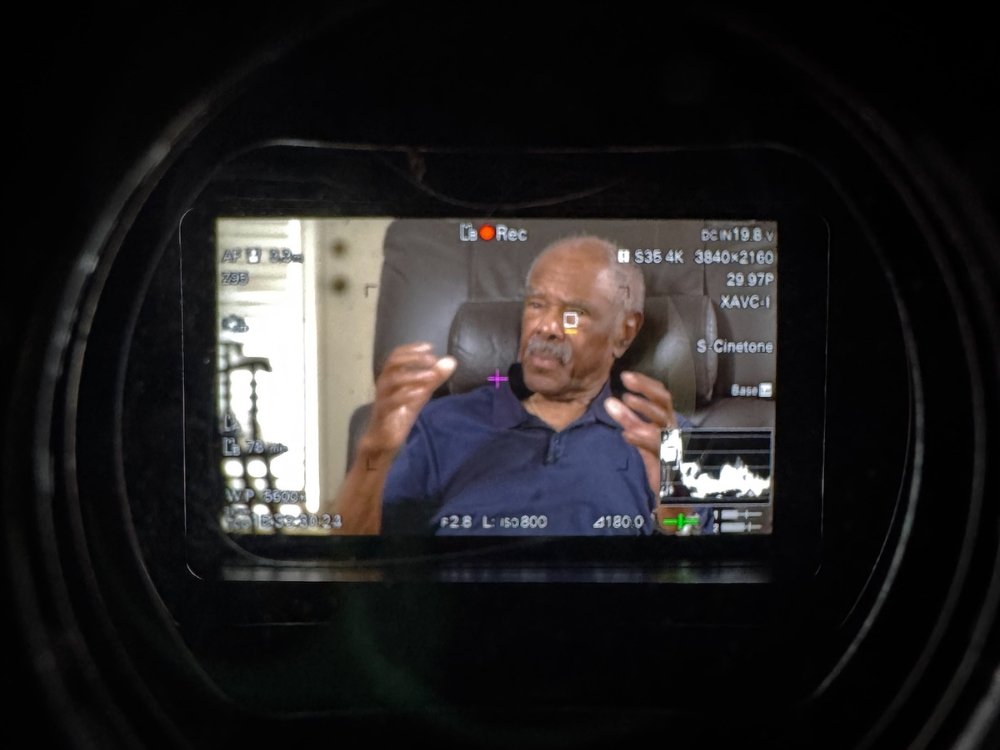
The foundation of attorney video production is the profile: ninety seconds to two minutes in which a lawyer explains who they serve, how they work, and why they practice. The best profiles are not resumes read aloud — credentials belong on the bio page. They answer the question a worried person is actually asking: “Will this person take my problem seriously, and can I stand working with them for a year?” Warmth, plain language, and one genuine story beat any recitation of awards. Every attorney page on the site should carry one.
Practice-Area Explainers: Answer the Questions Clients Search
Every practice has the same twenty questions: What is my case worth? Do I have to go to court? How long will this take? What does it cost? Short explainer videos — one question, one clear answer, two minutes — turn those searches into introductions. They rank on search and video platforms because they match real query language, they demonstrate expertise without promising outcomes, and they filter calls: clients arrive better informed, which saves consultation time. A library of ten to twenty explainers, filmed in batches over one or two production days, is the highest-ROI project in legal video.
Client Stories, Handled Ethically
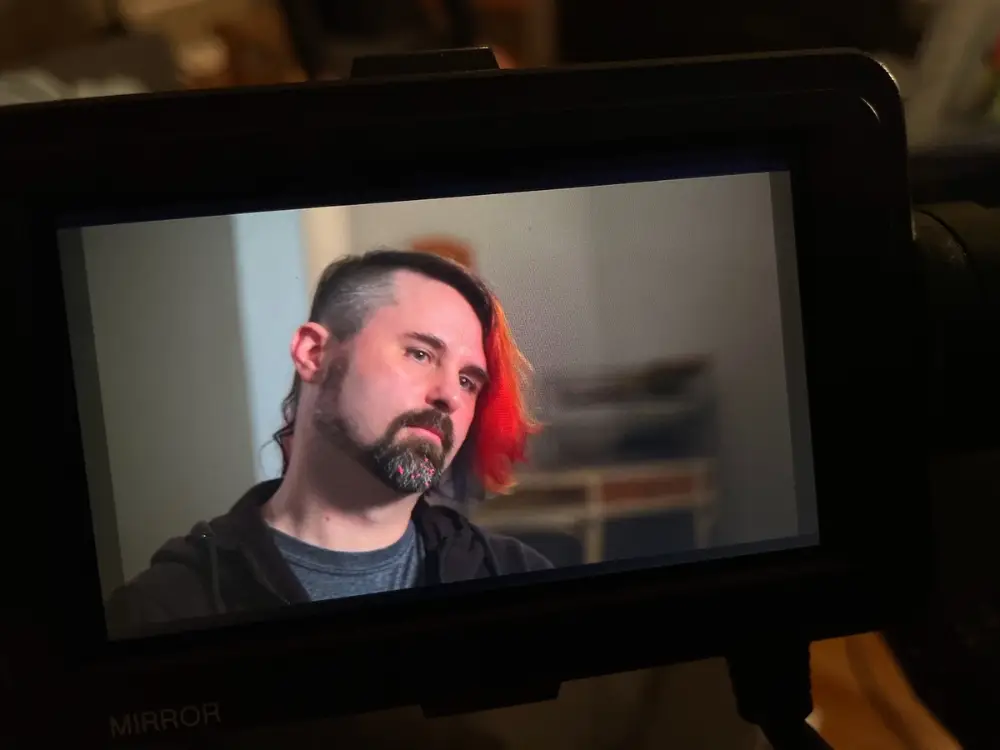
Testimonials are powerful in every industry and delicate in this one. Client-story videos must respect confidentiality and attorney-advertising rules, which vary by jurisdiction and can require disclaimers, consent documentation, and care about implying guaranteed results. The productions that work focus on the experience of being represented — communication, responsiveness, feeling defended — rather than dollar amounts. An experienced production partner builds the compliance step into the process: releases, review by the firm’s ethics counsel, and edits that keep the story human without crossing lines.
Production Standards: Credibility Is the Deliverable
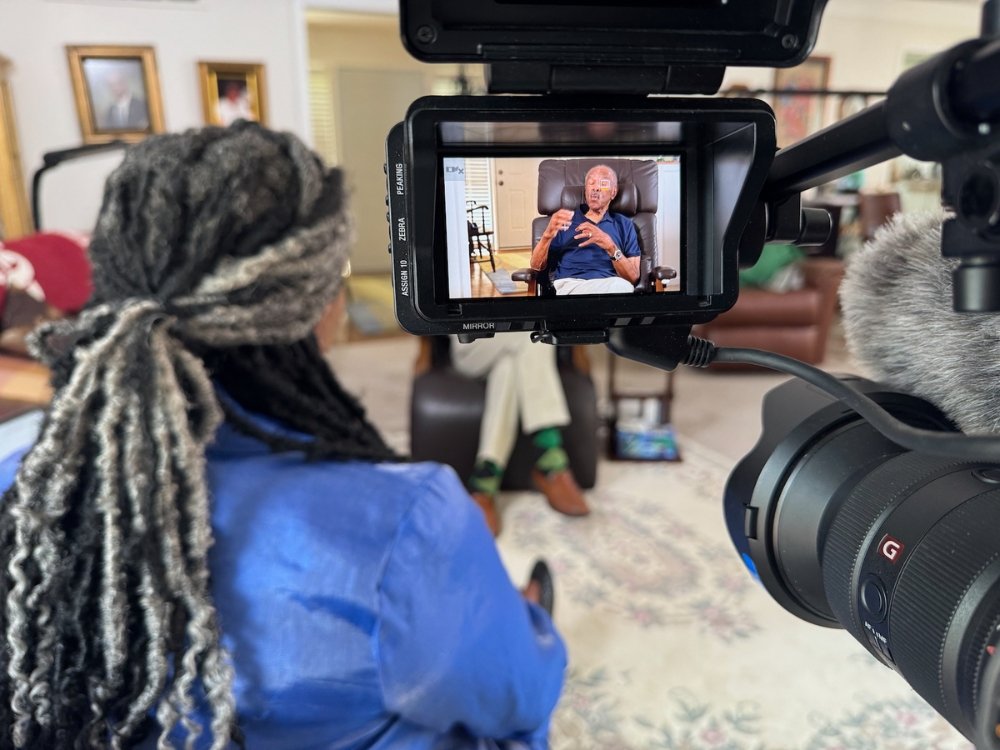
Law is a poor fit for shaky, casual video. The visual bar is set by what clients associate with competence: clean, stable framing; flattering, soft light; a background with depth — chambers-style shelving, a conference room, a city view — and above all, excellent audio. Attorneys are professional speakers, but they are not performers; a good director gets natural delivery by interviewing rather than scripting, then edits answers into tight, confident statements. Filming in batches keeps cost sane: one production day at the firm can capture two profiles and eight explainers if it is planned properly. That planning discipline is what separates a professional crew from a videographer with a nice camera.
Where the Videos Go to Work
Production is half the strategy; placement is the other half. Profiles belong on attorney bio pages and in email signatures. Explainers belong on matching practice-area pages, the firm’s video channel, and social feeds as captioned clips. Intake teams should send relevant videos with consultation confirmations — a client who watches two videos before the meeting shows up committed. And every video should carry captions, because much of it will be watched silently on a phone in a waiting room. Distribution turns a video expense into a marketing system.
Budgeting for Legal Video
A single-day batch shoot producing an attorney profile plus a set of explainers typically runs in the mid four figures, with per-video cost dropping sharply as the batch grows. Larger firms budget annual capture days to keep libraries current as attorneys and practice areas evolve. Compared with what firms routinely spend on directories and pay-per-click — where video measurably lifts conversion on landing pages — a video library is one of the few legal marketing assets that appreciates. Budget context is available in our pricing guide.
Video for Recruiting and Referrals
Client acquisition is not the only return. Lateral hires and law-school recruits research firms exactly the way clients do, and a culture video — attorneys talking candidly about mentorship, caseloads, and how the firm actually works — differentiates in a market where every careers page says the same things. Referral relationships benefit too: a physician, accountant, or fellow attorney deciding where to send a client can forward a two-minute profile video far more easily than a brochure. The same attorney video production investment quietly serves three audiences at once.
A 90-Day Rollout Plan
A sensible first quarter of law firm video marketing looks like this. Month one: strategy and scripting — pick two attorneys and the ten highest-value client questions, then book a single batch production day. Month two: publish the profiles to bio pages, release one explainer per week to practice-area pages and social channels, and arm the intake team with links to send before consultations. Month three: read the data — watch time, page conversion, consultation quality — and script the second batch around what clients actually watched. Two production days per year sustains the system from there, keeping the library current without ever making video a burden on billable time.
What to Look For in a Production Partner
Legal video rewards a specific kind of production company: one comfortable directing non-performers, disciplined about batch efficiency, and conversant with advertising-rule constraints. Ask to see attorney or executive interview work, not just commercials — talking-head craft is its own skill. Confirm the crew can film at your offices without disrupting client meetings, and that the quote covers captions, versioning, and raw-footage rights. Finally, ask how they would structure a batch day; a partner who immediately talks about question lists, wardrobe guidance, and schedule blocks has done this before. The right partner makes attorneys forget the camera — which is precisely when the best material happens.
The Bottom Line
Clients hire the attorney they feel they already know. Law firm video marketing manufactures that familiarity honestly — by putting real attorneys on camera, answering real questions, to a professional standard that signals competence. Mongoose Films brings 18+ years of Michigan production experience, with work featured on HGTV, Discovery, and ESPN, to professional-services video where credibility is everything. See our portfolio, or contact us to plan a batch day for your firm.