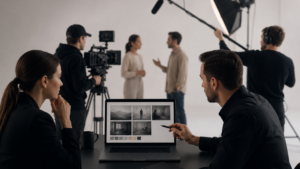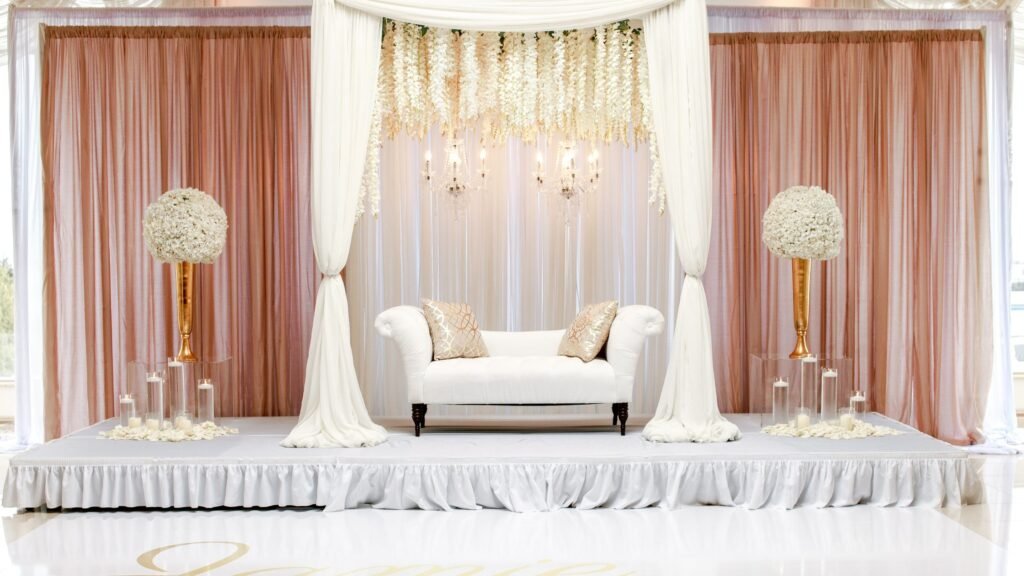
Creating a memorable event requires attention to every detail, from music, décor, to staging and flow. However, one of the most powerful yet often overlooked elements is lighting. More than just illumination, stage lighting design (Event Lighting Design Service) adds emotion, direction, and visual impact. It sets the mood, highlights key moments, and transforms an ordinary space into an immersive experience.
Whether it’s a concert, wedding, or a corporate event, the right lighting enhances the atmosphere while strengthening audience connection. This article explores the value of professional lighting design and how it can make your event truly unforgettable.
What Is Stage Lighting Design?
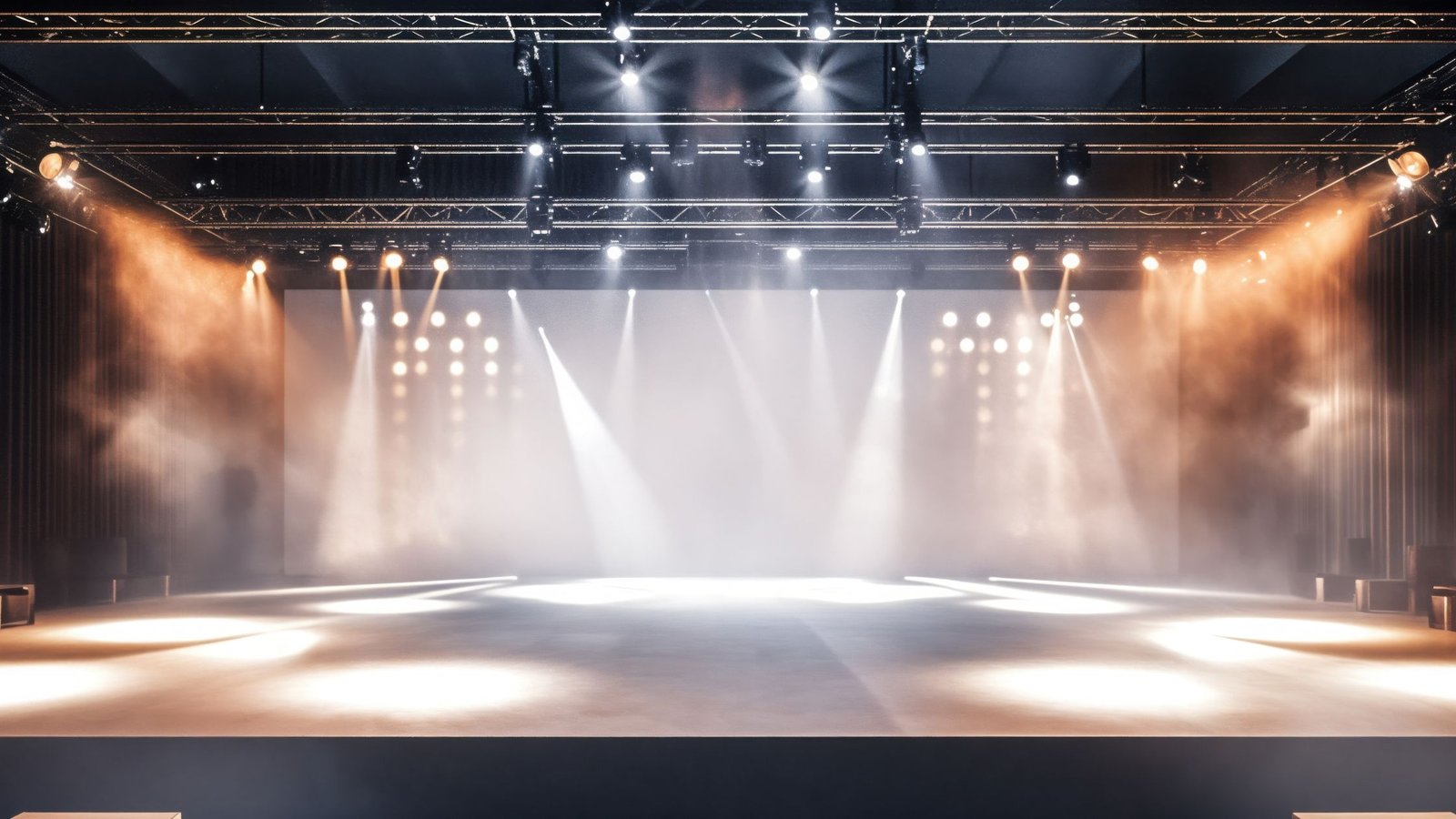
Stage lighting design refers to the thoughtful planning and implementation of lighting systems that enhance performances and events. Lighting design doesn’t just make things visible—it crafts atmosphere, adds emphasis, and creates emotional connections between the event and the audience.
Lighting designers use a range of tools, such as moving lights, LED fixtures, gobos, and color filters, to create dynamic effects. Additionally, they consider architectural elements, stage layout, and audience placement when planning a lighting scheme. Their ultimate goal is to synchronize lighting with performance cues, visual media, and soundscapes to deliver a cohesive and impactful experience.
Why Stage Lighting Design Is Crucial for Events
Stage lighting design is not just about making performers visible—it is about crafting a visual story. Even the most elaborate stage or venue can feel lifeless without a thoughtful lighting plan. Here’s why professional stage lighting design is essential:
1) Creates Strong First Impressions
The stage is often the centerpiece of an event, and lighting defines its impact. From bold color washes to subtle ambiance, the first lighting cues set the mood and energy for the entire experience.
2) Directs Audience Attention
Well-designed stage lighting ensures the audience focuses on key performers, speakers, or moments. By using spotlights, contrasts, and dynamic effects, designers control where attention flows.
3) Enhances Overall Production Value
High-quality stage lighting transforms performances by adding depth, drama, and vibrancy. It elevates décor, stage sets, and multimedia screens, making the entire production feel more professional.
4) Reinforces Branding and Themes
Stage lighting design can mirror brand colors, match event themes, or highlight symbolic visuals. This consistency strengthens audience connection and reinforces the intended message.
Elements of Effective Stage Lighting Design
Creating stunning visuals with lighting involves more than just turning on some spotlights; it is skilled lighting designers who work with multiple layers and elements to craft a unified experience.
a) Color
Colors influence mood and perception. Designers carefully select hues based on the event type—cool tones for formal galas, vibrant colors for concerts, or warm glows for weddings. Lighting can even be used to simulate sunrise, sunset, or seasonal vibes.
b) Direction and Focus
Light placement changes everything. Side lighting adds depth, front lighting increases visibility, and backlighting creates silhouettes or outlines. Designers manipulate direction to shape the scene and lead the viewer’s attention.
c) Intensity and Timing
The brightness along timing of lights dramatically affect the energy of an event. Smooth fades can slow the pace, while rapid strobe lights or dim-to-bright transitions build excitement. Well-timed cues synchronized with music or stage actions increase emotional impact.
By mastering these elements, a stage lighting design (Event Lighting Design Service) team can dramatically improve the quality and impact of your event.

Why Hire a Professional Stage Lighting Design Service?
DIY setups may work for small events, but professional stage lighting design ensures precision, safety, and impact.
- Customization: Designers tailor colors, effects, and timing to match your vision and theme.
- Expertise & Equipment: Professionals handle advanced fixtures, rigging, and safety with ease.
- Creative Storytelling: Lighting adds emotion and rhythm, enhancing performances.
- Live Adaptability: Crews adjust in real time, solving issues without disrupting the show.
Hiring experts transforms productions, elevates quality, and reduces stress.
How Stage Lighting Design Impacts Audience Experience
Stage lighting design does more than support performers—it directly shapes how audiences experience an event. Lighting creates atmosphere, evokes emotions, and guides attention, making each moment more engaging.
- Emotional Connection: Lighting changes the mood instantly, whether building anticipation with dramatic cues or creating intimacy with soft glows.
- Immersive Atmosphere: Thoughtful lighting transforms a venue into a dynamic environment where audiences feel part of the story.
- Clarity and Visibility: Proper illumination ensures guests never miss important details on stage, from expressions to key visual elements.
- Energy Flow: Well-timed lighting cues keep the audience’s energy aligned with the performance, enhancing overall enjoyment.
When designed professionally, stage lighting elevates not only the event’s look but also how deeply audiences connect with it.
Conclusion
Lighting can turn an ordinary stage into something extraordinary. Whether you’re hosting a theatrical production or a branded corporate event, professional stage lighting design ensures that your story, message, or performance shines brightly. It enhances emotions, focuses attention, and supports every element of your event with a visual rhythm that audiences feel on a deeper level.
If you’re ready to create a lighting design that leaves a lasting impact, Mongoose Films provides expert event lighting services tailored to your unique vision, venue, and goals.
FAQs – Stage Lighting Design
- What events benefit most from professional stage lighting design?
Concerts, theater productions, weddings, corporate events, and fashion shows all rely on stage lighting to create atmosphere and impact.
- How far in advance should I book a stage lighting design service?
Ideally, book 6–8 weeks ahead to allow designers time for planning, setup, and coordination with other event teams.
- Can stage lighting setups be customized for different venues?
Yes. Designers adapt equipment and layouts to suit any venue, from small stages to large arenas.
- How does stage lighting improve event photography and videography?
Well-designed stage lighting boosts clarity, enhances colors, and ensures sharper visuals in both photos and videos.