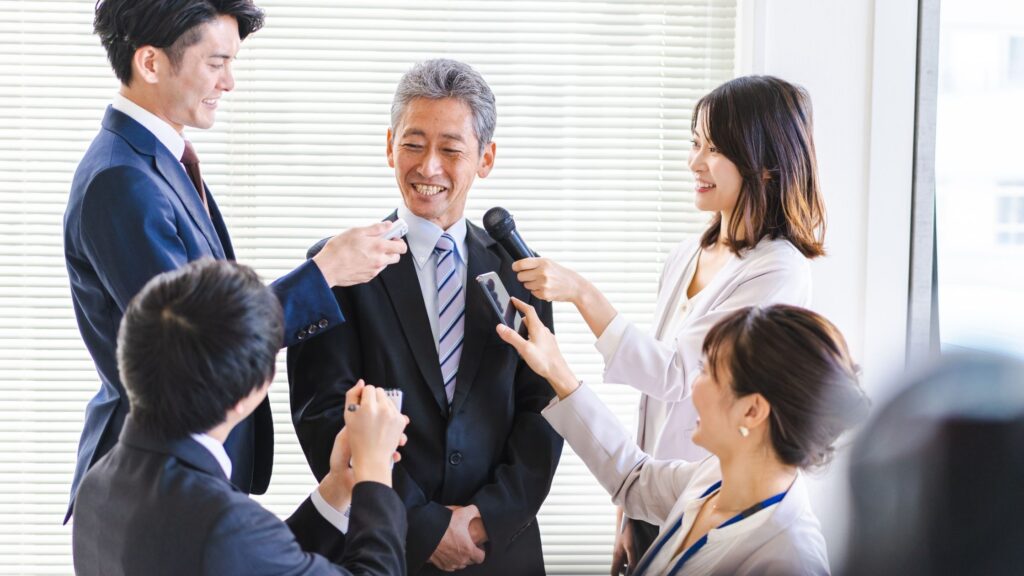
Every executive interview carries immense weight — every frame can either strengthen or weaken brand trust. The camera doesn’t just capture words; it reveals confidence, clarity, and leadership. Understanding how to prep executives for on-camera interviews helps turn nervous energy into natural authority. When preparation meets purpose, executives communicate with authenticity that audiences instantly connect with. Learning how to prep executives for on-camera interviews can significantly enhance their performance.

Why On-Camera Preparation Matters for Executives
Every executive interview carries more than just words — it represents the organization’s vision and credibility, and that is why preparation matters:
Knowing how to prep executives for on-camera interviews is essential for ensuring their success in public appearances.
- On-camera preparation helps executives represent their organization with clarity and professionalism, ensuring every message reflects brand values.
- It allows leaders to manage pressure effectively, staying calm, focused, and confident in high-stakes interview settings.
- A well-prepared executive maintains consistency and alignment with company goals, building a trustworthy and unified brand voice.
- Preparation also transforms nervous energy into authentic presence, enabling executives to connect emotionally and project strong leadership.
Proper preparation not only enhances message delivery but also strengthens the connection between leadership and audience.
From Pressure to Presence: The On-Camera Executive Mindset
Executives often face intense pressure when the camera turns on. The visibility of representing an entire organization, combined with expectations from employees, clients, and stakeholders, can make even seasoned leaders feel tense. Every gesture, word, and expression carries weight — and the awareness of being recorded amplifies self-consciousness. Unlike everyday communication, on-camera interviews demand precision, control, and emotional balance, which can feel unnatural without proper preparation.
Even great leaders need structure before facing the lens. Understanding how to prep executives for on-camera interviews ensures that their message flows smoothly, their posture appears confident, and their tone remains steady. With guided practice and clear talking points, executives can transform nervous energy into poise, delivering each message with authenticity and authority that strengthens both personal and brand credibility.
To effectively communicate, executives must grasp how to prep executives for on-camera interviews, allowing them to focus on delivering their messages. Learn more about Corporate Event Filming.
How Rehearsal Builds Confidence in Executive On-Camera Interviews
Even confident executives can feel uneasy when the camera starts rolling. Rehearsal bridges the gap between nervousness and natural delivery, helping leaders focus on message, tone, and presence.
1. Conduct Mock Interviews with Feedback Loops
Simulated interviews help executives experience real on-camera conditions before the actual shoot. Constructive feedback after each round highlights areas for improvement and builds awareness of habits. This repetition strengthens delivery, pacing, and overall comfort in front of the camera.
2. Practice Key Phrases, Not Full Scripts
Focusing on main talking points instead of memorized scripts encourages natural flow. Executives learn to adapt their tone and phrasing based on context, making their responses sound authentic. This method also helps prevent mechanical or overly rehearsed delivery.
3. Refine Tone, Expression, and Gestures
Understanding how to prep executives for on-camera interviews enables leaders to convey their ideas with greater impact.
Balanced tone and controlled expressions project authority and relatability. Executives should maintain open gestures and subtle facial cues that align with their message. Consistent rehearsal of these elements ensures confidence without appearing rigid.
4. Record and Review Short Practice Clips
Video playback offers valuable self-assessment opportunities. By observing posture, eye contact, and vocal tone, executives can identify what works and what needs adjustment. Regular reviews build self-awareness and polish overall performance.
5. Build Confidence Through Structured Repetition
By mastering how to prep executives for on-camera interviews, executives can boost their confidence and engagement skills.
Rehearsing key sections multiple times helps executives internalize rhythm and pacing. These practical ways to prep executives for on-camera interviews build muscle memory and confidence. Over time, repetition transforms nervousness into a calm, assured presence.
Consistent rehearsal turns tension into poise. With feedback and repetition, executives appear more composed, authentic, and camera-ready.
Creating Comfort Through Technical Familiarity
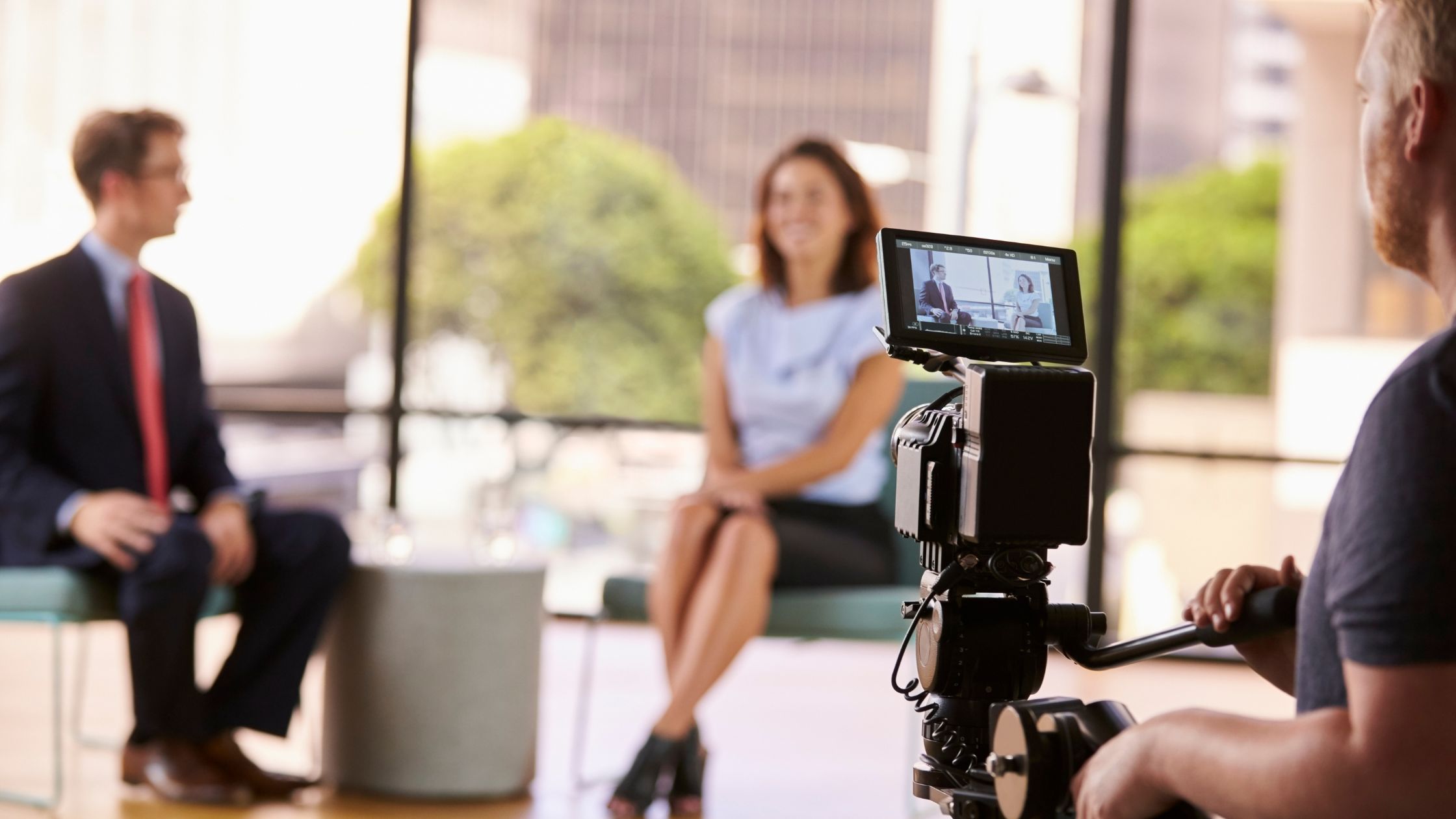
Simple pre-shoot walkthroughs — such as adjusting lighting, testing microphones, and checking camera angles — help executives feel more relaxed before filming. When they understand how the setup works, their posture, tone, and delivery naturally improve. This brief technical orientation reduces uncertainty and builds trust in the production process, allowing executives to focus fully on their message rather than the mechanics around them. Ultimately, familiarity with the environment transforms initial nervousness into confidence and ensures a smoother, more authentic on-camera performance.
Familiarity with equipment and techniques is part of how to prep executives for on-camera interviews, enhancing their comfort level.
Building Rapport with the Audience
To connect with viewers, an executive’s presence should go beyond just delivering information. Here’s how to engage the audience effectively:
Developing a connection with the audience is crucial and knowing how to prep executives for on-camera interviews can aid in achieving this goal.
- Maintain Eye Contact: Looking directly at the camera creates a personal connection and builds trust.
- Smile and Use Positive Body Language: A relaxed posture and a smile make the executive seem approachable and confident.
- Speak with Empathy: Address concerns and challenges with care, demonstrating leadership that goes beyond business.
- Pause for Impact: Well-timed pauses help emphasize key points and convey confidence.
- Engage with Authenticity: Encourage executives to speak naturally and avoid sounding scripted to foster trust and relatability.
These strategies help executives connect authentically, turning their on-camera appearance into an opportunity to build deeper audience rapport.
Overall, mastering how to prep executives for on-camera interviews leads to dynamic and memorable presentations.
Conclusion
Preparing executives for on-camera interviews is not about chasing perfection — it’s about mastering presence, clarity, and authenticity. When leaders understand their message and feel confident before the camera, they project trust and authority that resonates with every audience. By following structured preparation, clear communication, and mindful body language, even the most camera-shy executives can deliver memorable, genuine interviews. Article created in collaboration with Mongoose films, supporting professional storytelling with clarity and impact.
The significance of how to prep executives for on-camera interviews cannot be overstated in today’s media landscape.

FAQs
- How early should executives start preparing?
Ideally, preparation should begin at least 48 hours before filming. This allows time to organize key points, practice tone and delivery, and become familiar with the filming environment — ensuring calm confidence once the cameras roll.
- How can camera anxiety be reduced?
Anxiety drops when executives feel in control. Practicing in the actual setup, taking slow breaths, and rehearsing conversationally helps ease tension.
- Why are tone and body language important?
Tone and body language shape perception more than words do. A steady voice, open posture, and subtle gestures reflect confidence, sincerity, and approachability — helping audiences connect instantly.
- What ensures a natural on-camera delivery?
Natural delivery comes from clarity and comfort. When executives understand their message and practice without over-rehearsing, they sound authentic.
The essence of how to prep executives for on-camera interviews lies in their ability to communicate effectively and authentically.