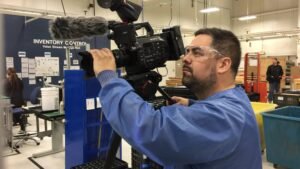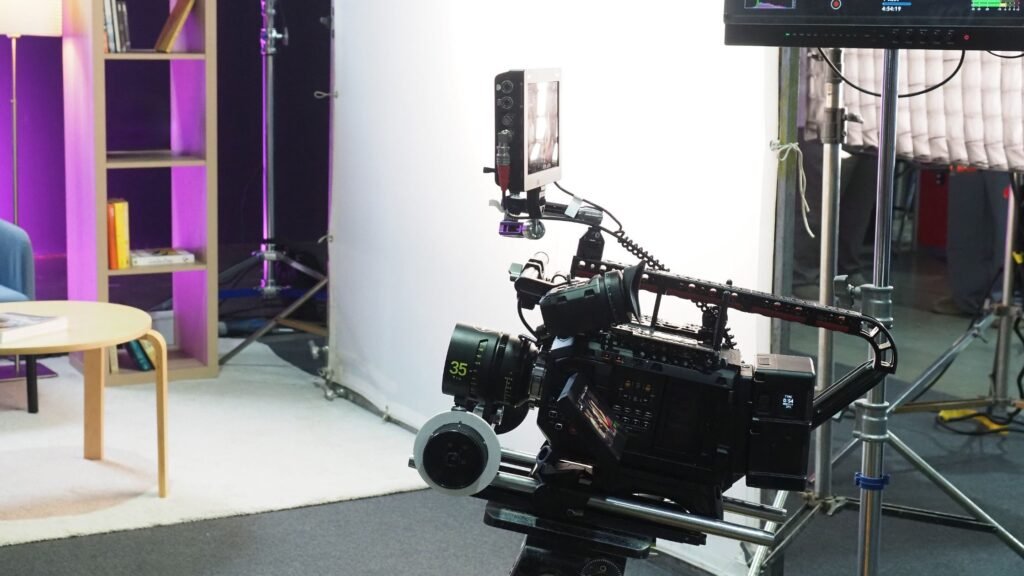
In today’s educational landscape, video content plays a pivotal role in enhancing learning experiences. As educational institutions continue to adapt to modern learning methods, integrating video into their curriculum is essential. An educational video production company is crucial in creating content that is engaging, informative, and accessible to students of all learning styles. This article explores how professional educational video production can transform educational delivery, using Mongoose Films as an example of expertise in the field.
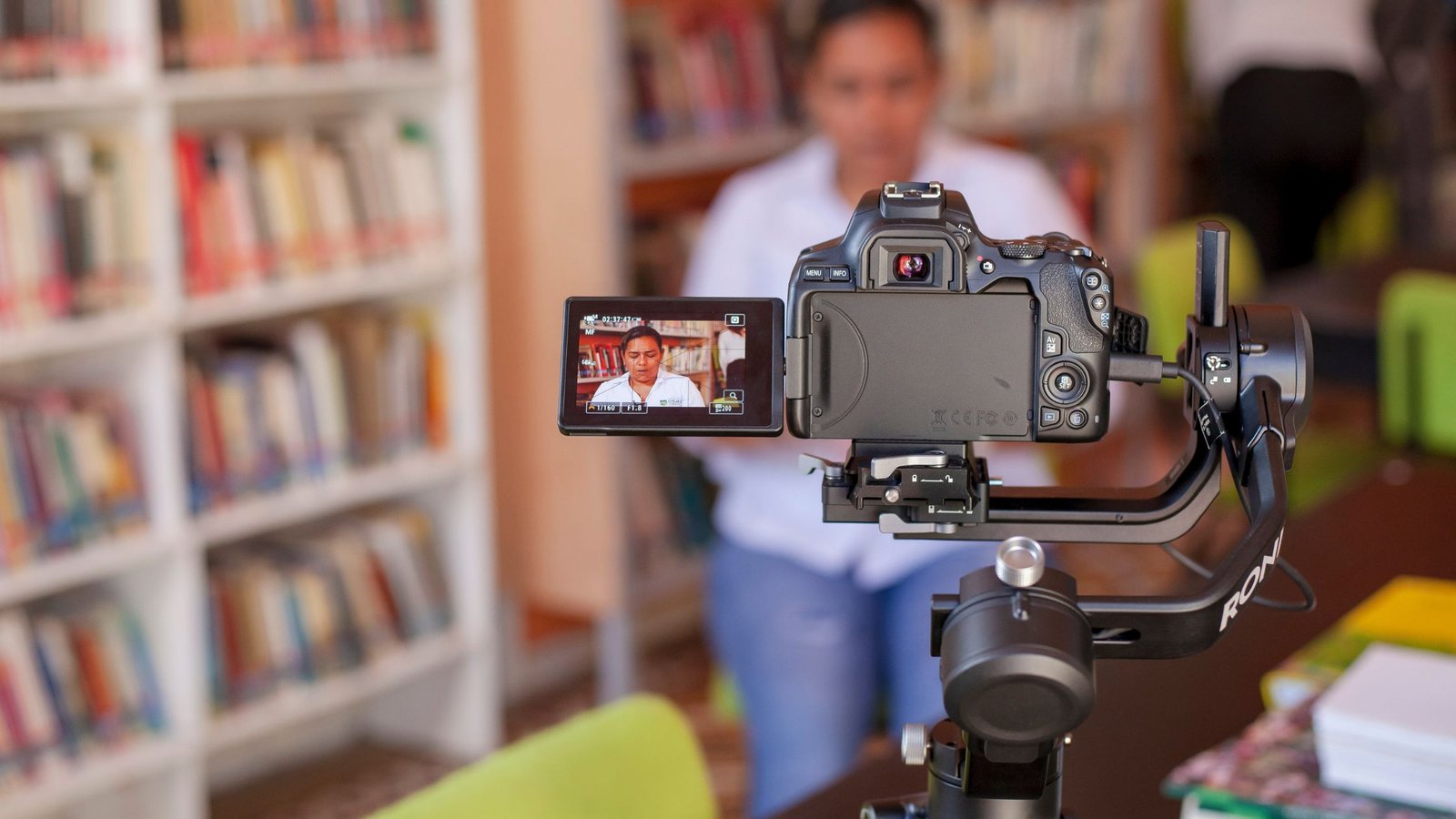
Empowering Learning Through Educational Videos
Educational videos have become an essential tool in modern teaching and learning. Here’s why:
I. Increased Engagement
Videos capture attention far more effectively than text or images. They provide a dynamic method to present information, ensuring students stay focused and actively engaged throughout the lesson.
II. Enhanced Retention
Studies have shown that using both visual and auditory elements in videos significantly improves memory retention. This dual approach makes learning more effective, aiding students in remembering complex material.
III. Accessibility for All Learners
Educational videos help overcome learning barriers by providing content that can be paused, replayed, or revisited at any time. This flexibility allows students to review difficult concepts or catch up on missed lessons.
IV. Catering to Different Learning Styles
Every student learns differently, whether through visuals, sound, or hands-on activities. Educational videos can blend all of these elements, ensuring that learning is inclusive and accessible to all types of learners.
Fundamentals of Effective Educational Video Production
Creating effective educational videos requires expertise in several key areas, including:
- Scriptwriting and Storyboarding: A clear script and storyboard ensure the video’s message is focused and supports the narrative.
- Filming: Proper lighting, sound, and camera techniques create a clear, visually appealing video for the audience.
- Post-Production: Editing, sound design, and motion graphics enhance clarity and impact, refining the video.
- Interactivity: Adding quizzes or clickable features boosts student engagement and makes learning more interactive.
These steps, from planning to post-production, are essential for creating effective and engaging educational videos. Learn more about Video Production Services.
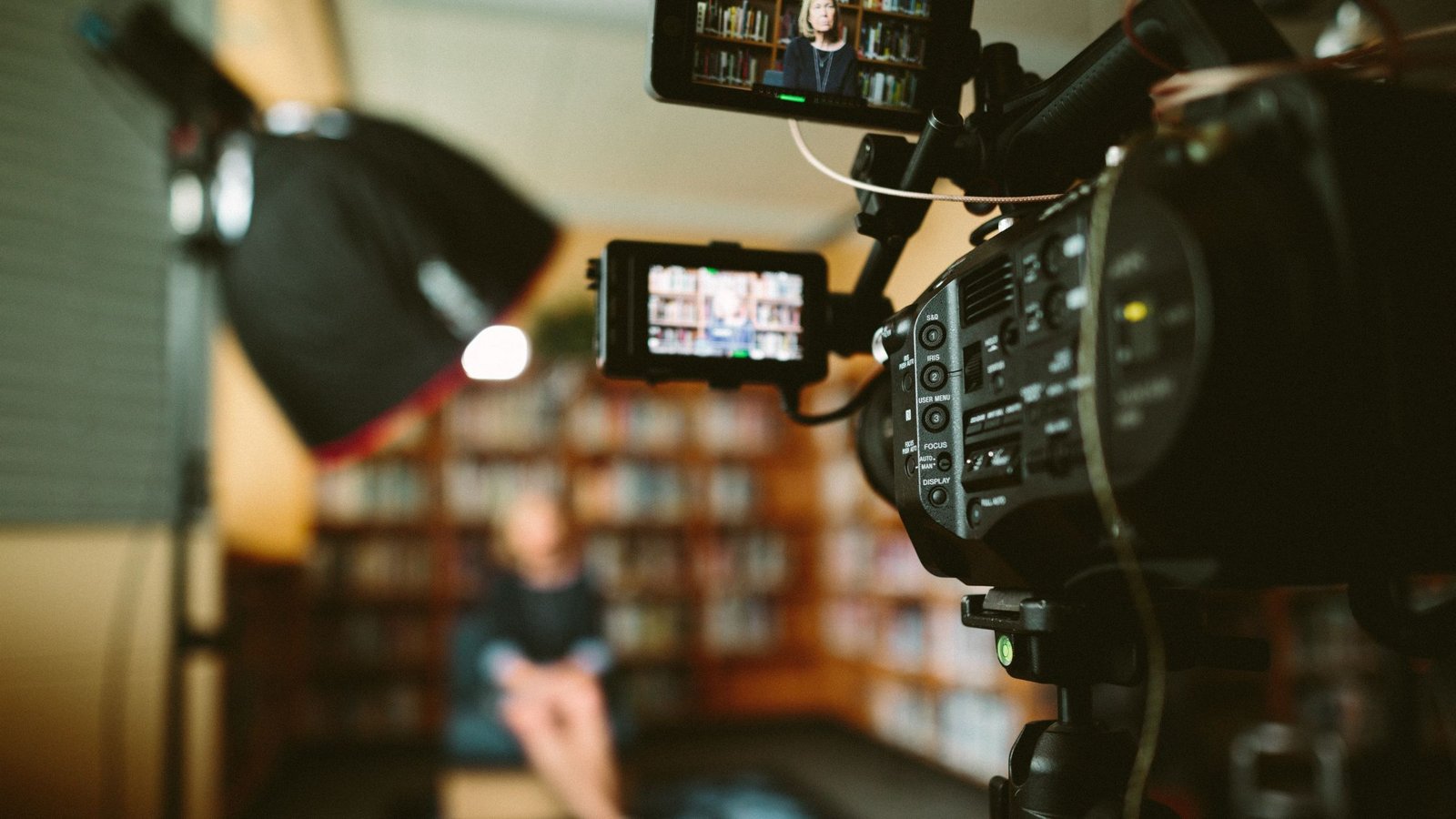
Benefits of Educational Videos
Educational videos have transformed the way students learn and interact with content. Here are the key advantages:
1. Improved Learning Outcomes
Educational videos help clarify complex topics, making them easier for students to grasp. By presenting information visually, videos simplify concepts, aiding in better understanding and application.
2. Wider Reach
Videos make educational content accessible to a global audience. Students who can’t attend in-person classes can still engage with lessons, ensuring learning opportunities are available to all.
3. Flexibility
Videos offer flexibility in how and when students interact with content. Learners can progress at their own pace, revisit difficult concepts, or explore supplementary materials as needed.
4. Cost-Effectiveness
Once produced, videos can be reused and updated at a minimal cost. This makes them a long-term, cost-effective resource for educational institutions to enhance their curriculum.
Educational videos provide a flexible, cost-effective way to enhance learning and reach a wider audience, making them an invaluable tool for modern education.
How Professional Educational Video Production Works
Working with an experienced educational video production company ensures that your videos are well-planned, expertly executed, and aligned with your educational goals. From initial concept development to post-production, a professional team guides the process, ensuring the final product is engaging, educational, and effective.
A strong collaboration between educators and video production experts ensures that the video content accurately reflects educational goals while keeping students’ engagement levels high.
The Future of Educational Video Production
As technology evolves, the future of educational video production is being shaped by innovations like AI-driven content creation. AI tools can automate video generation, personalize learning experiences, and adapt content based on student needs, enhancing engagement.
Virtual reality is also making waves in education, providing immersive, interactive experiences that traditional videos cannot offer. VR enables students to explore complex concepts or historical events in a more hands-on, experiential way, making learning more engaging and memorable.
Challenges in Educational Video Production
Educational institutions often face several hurdles in video production. Here’s how to overcome them:
- a) Budget Constraints: Limited funding can be addressed by using low-cost tools and collaborating with affordable production companies.
- b) Lack of Technical Skills: Provide training or hire freelancers to bridge the gap in specialized video production skills.
- c) Limited Resources: Mobile devices and free software can substitute for professional-grade equipment to produce effective videos.
- d) Time Constraints: Outsource production or create shorter videos to save teachers valuable time.
By tackling these challenges, institutions can create effective educational videos with the right tools, training, and planning, without exceeding budgets or time limits.

Conclusion
Educational video production is a transformative force in modern education, revolutionizing how content is delivered and consumed. Whether for in-class instruction, remote learning, or supplementary resources, videos captivate students, boost retention, and provide flexible, accessible learning opportunities. As educational institutions continue to adapt, incorporating high-quality video content into their curriculum ensures a more engaging and effective learning experience.
By collaborating with an experienced educational video production company, such as Mongoose Films, institutions can craft content that not only maximizes student outcomes but also reaches a wider, more diverse audience.
FAQs
- What types of educational videos can be produced?
Educational videos can include tutorials, explainer videos, lectures, training materials, and live event coverage.
- How do educational videos improve student learning?
Educational videos enhance learning by offering engaging, multimodal content that caters to different learning styles, boosting engagement and retention.
- What is the process of creating educational videos?
The process includes scriptwriting, filming, editing, adding motion graphics, and ensuring the content is engaging and educational.
- How can educational institutions benefit from using educational videos?
Institutions can improve learning outcomes, expand their reach, provide flexible learning options, and reduce long-term content creation costs.